Classroom management
Fostering a purposeful, structured, and empathetic secondary social studies learning environment where every student is respected and empowered to succeed.

Structured daily routines
A well-managed social studies classroom relies on consistent, engaging routines that structure learning from bell to bell. Lessons begin with focused bell ringers and wrap up with reflective exit tickets to reinforce daily concepts. Blending collaborative group projects, independent research, and essay writing keeps students actively involved, cultivating vital problem-solving abilities and critical thinking skills in a predictable setting.
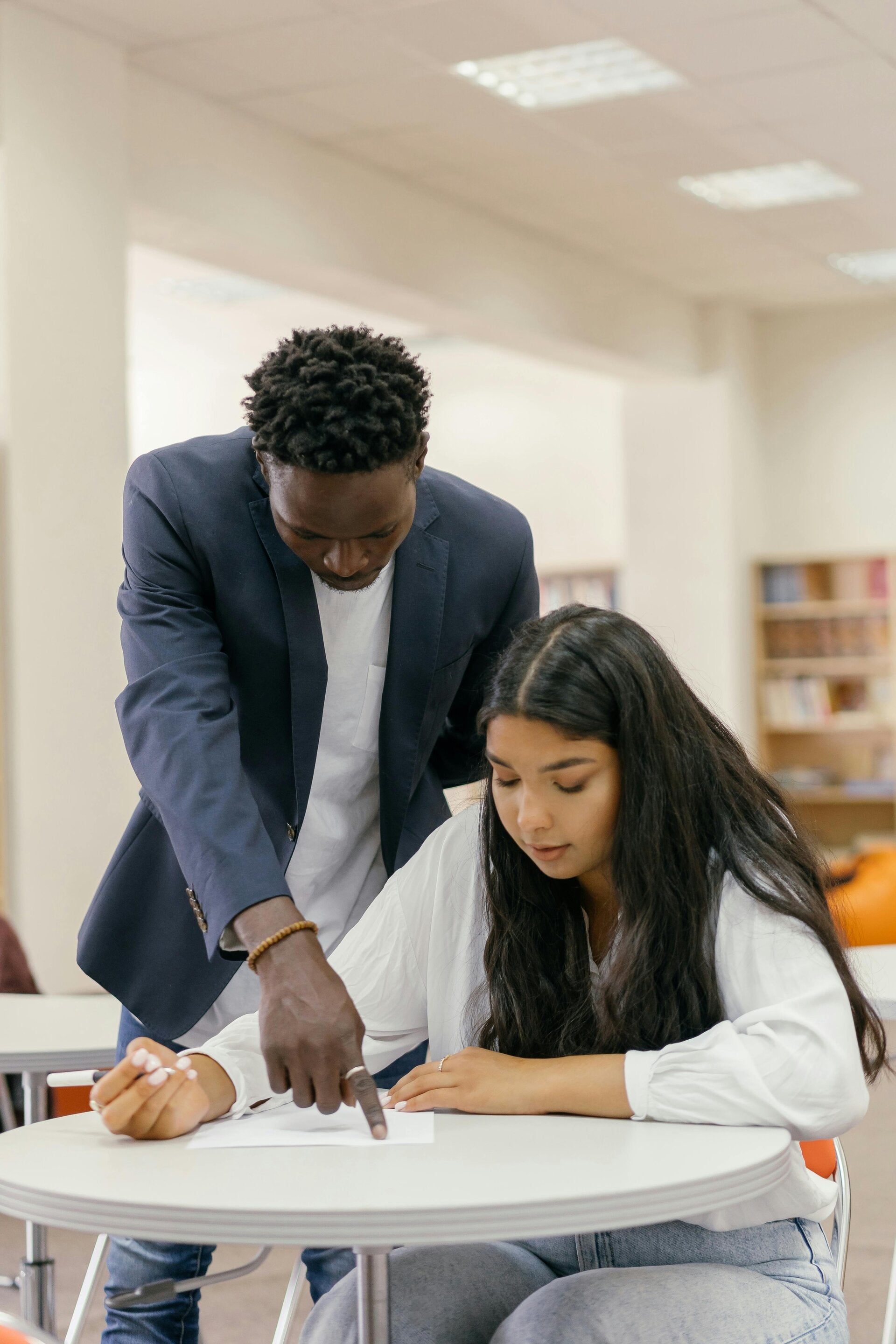
Culture of mutual respect
From the first day of class, two foundational expectations guide our community: everyone is treated with respect, and everyone has the right to learn. Cultivating mutual respect establishes safe, supportive spaces where secondary students can explore diverse historical perspectives, participate in civil classroom debate, and take intellectual risks without fear of judgment.

Empathetic intervention
When behavioral challenges or disengagement arise, my approach begins by treating every student as a whole person first. Rather than applying quick disciplinary fixes, I take time to check in, evaluate what their home life looks like, and consider whether the behavior is unusual for that individual. Resolving conflicts through proactive dialogue and empathy helps re-engage students and maintains long-term classroom harmony.